
Impact story
“Disability Is Not Inability”: What Progress Looks Like for Children and Families
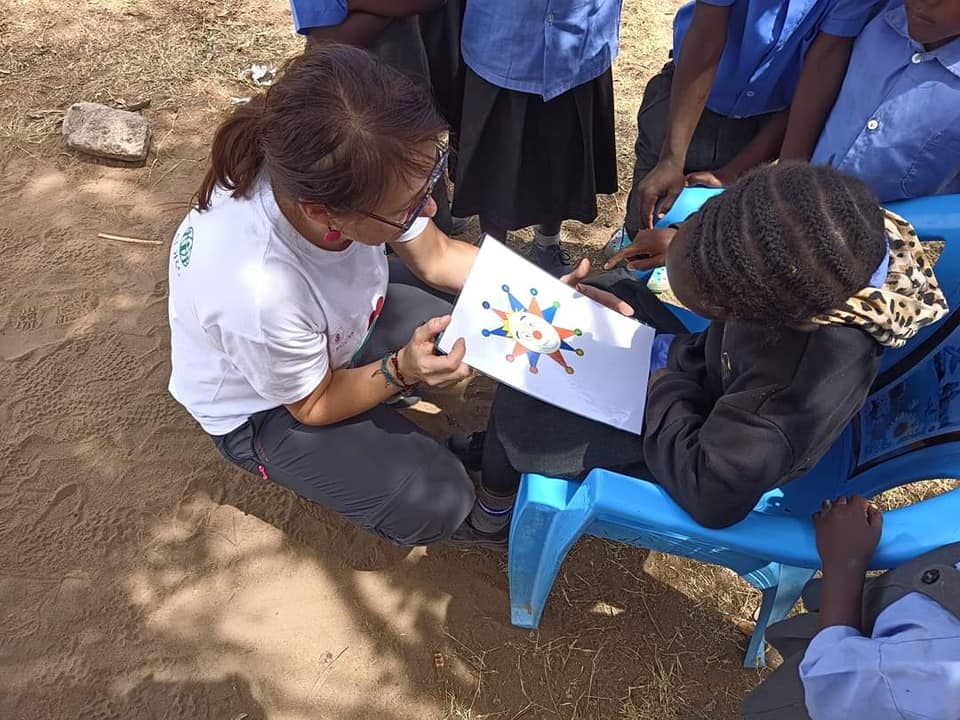
There is a phrase we return to often in our work: disability is not inability. It is simple, but it carries weight. For many children and families, this truth is not always reflected in their early school experiences. Too often, support arrives late, schools are under-resourced, and families are left to navigate difficult choices alone.
Progress begins when those patterns change.
In our context, one meaningful milestone has been seeing pilot learners complete primary school examinations through the SUNCEP pathway. For children who might otherwise have been pushed out long before that stage, reaching national exam level is not a small achievement. It signals that when inclusive supports are in place, expectations can rise and outcomes can shift.
But progress is not only visible in exam moments. It is visible in family stories that show what sustained support can unlock over time.
Mary’s story reflects this clearly. At 12, living with cerebral palsy, she had faced the kind of uncertainty that many families know too well: whether regular school participation would be possible at all. With tailored education support and a more inclusive learning pathway, she was able to attend school and continue learning in a structured environment. For her family, this was not just about class attendance. It was about dignity, possibility, and a different future horizon than they had been told to expect.
James’s story highlights another side of the same journey. At 8, mobility constraints were limiting his participation in both school and community life. Through outreach and partner support, his family was connected with resources that helped secure the mobility assistance he needed. With that change, his world widened: movement became easier, participation increased, and the social isolation that often follows disability began to loosen. In practical terms, one support intervention opened multiple doors.
These stories matter because they represent what inclusive work looks like in reality: not one dramatic event, but coordinated steps across families, schools, and community networks. Educational support, outreach, teacher capacity, referrals, and practical school improvements all reinforce each other. That is how children move from exclusion toward participation.
They also remind us that families are central actors in progress. Caregivers are not passive recipients of support; they are advocates, decision-makers, and partners in every stage of a child’s learning journey. When families are equipped, listened to, and connected to responsive schools, children’s outcomes improve in ways that are both measurable and deeply human.
The road ahead remains long. Many children still face barriers that are social, structural, and financial. But each learner who stays in school, each family that regains confidence, and each school that strengthens inclusive practice confirms the same direction: with the right support, children with disabilities can learn, progress, and lead.
“Disability is not inability” is not just a message for campaigns. It is a commitment we must keep proving—in classrooms, in communities, and in the opportunities we build together.