
Impact story
From Screening to Classrooms: How SUNCEP Is Strengthening Inclusive Education in Migori
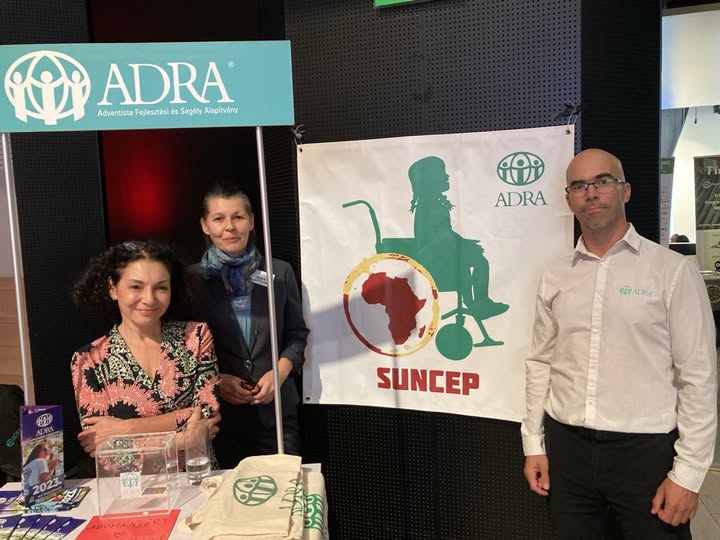
In many communities, the barriers that keep children with disabilities out of school are not always dramatic at first glance. They are often quiet and cumulative: late identification of support needs, limited teacher training, long travel distances, stigma, and classrooms that were never designed to include every learner. Over time, those barriers become a pattern, and that pattern pushes children out before they can fully experience school.
That is exactly why our SUNCEP work has been structured around practical, school-based action rather than one-time intervention. Across partner schools in Migori County, we are working with educators, caregivers, and institutions that understand inclusive education is not a slogan. It is a daily system of support.
A key part of that system is screening and early identification. When support needs are recognized earlier, teachers and families can make better decisions sooner. Screening is not about labeling children. It is about understanding what each learner needs in order to participate meaningfully in class, build confidence, and stay in school. For some learners that means adaptive support in class. For others, it may mean referrals, specialized follow-up, or practical adjustments in the school environment.
Teacher capacity-building is another pillar. Inclusive learning cannot be sustained if classroom teachers are left to improvise without tools, methods, or mentorship. Through partnerships involving ADRA Hungary, ELTE Bárczi Gusztáv Faculty of Special Needs Education, and collaboration with Rongo University, we continue to support stronger classroom practice and better preparedness for real-world inclusive teaching. This kind of capacity-building helps shift inclusive education from a project activity into everyday school culture.
We also focus on practical school supports that remove immediate barriers to learning: education materials, context-specific health support, and school improvements that make participation more realistic for children who are often at risk of exclusion. These are not side activities. They are the practical bridge between policy language and the lived reality of learners and families.
What makes this work meaningful is that it connects home, school, and community. Families need trusted information and encouragement. Teachers need ongoing support and confidence. Children need environments where they are seen as capable, not as a burden. When these pieces begin to align, inclusion stops being symbolic and becomes visible in attendance, participation, and learning progress.
Inclusive education does not happen in one semester, and it is not completed by one institution alone. It takes coordinated effort, patience, and consistency. But every time a child remains in school, every time a teacher applies inclusive methods with greater confidence, and every time a parent sees possibility where there was once fear, the direction changes.
That direction is what we are committed to building: schools where children with disabilities are not merely present, but genuinely included, supported, and expected to thrive.